

Why J2 Steel? The Practical Modern Choice
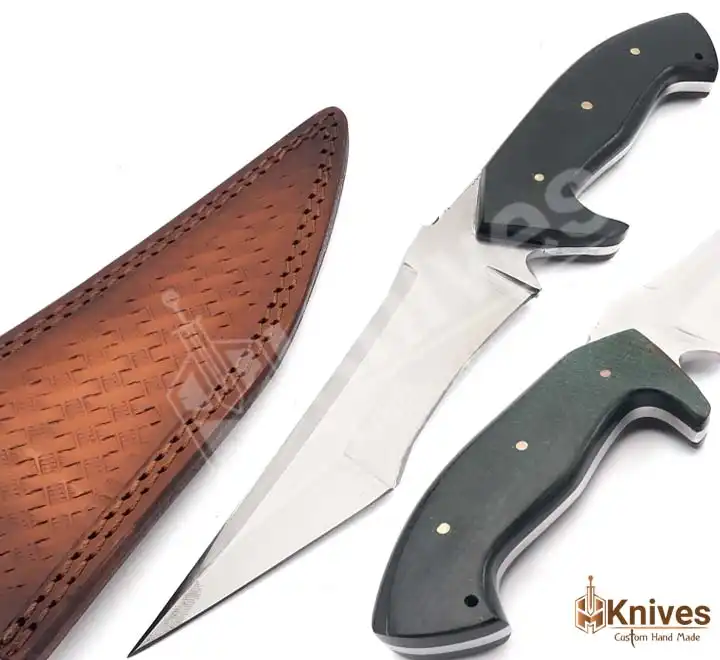
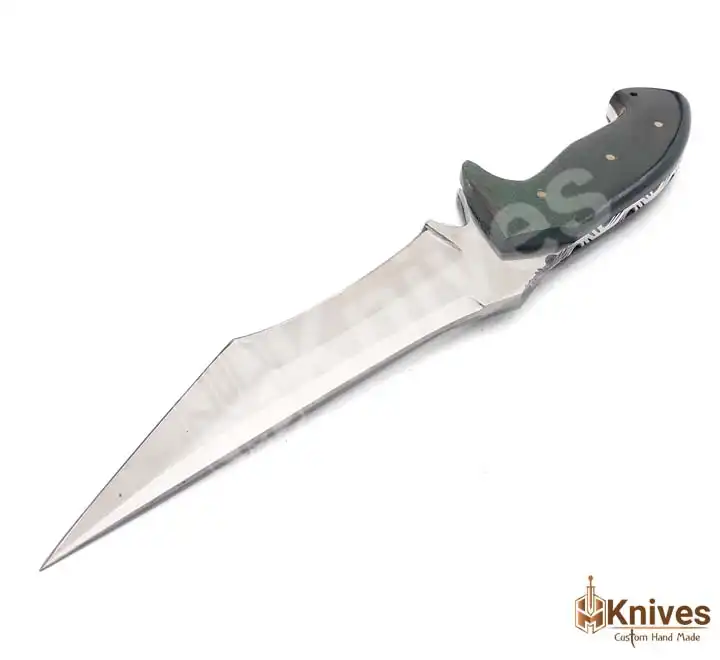
Damascus steel gets the attention, but J2 steel gets the job done. This J2 steel fishing knife takes a pragmatic approach: a keen edge that is quick to bring back, a grippy handle, and a shape built for wet work.
Be clear on one point before you buy: J2 is a high-carbon steel, not a stainless one, and it will rust if you neglect it. Rinse it in fresh water the same day if it has been near salt, dry it completely, and keep a light film of oil on the blade. Do that and it will last for decades. Leave it wet in a tackle box and it will spot within days. It asks exactly the same care as our Damascus blades – what you gain here is a lower price and an edge that comes back fast on a stone.
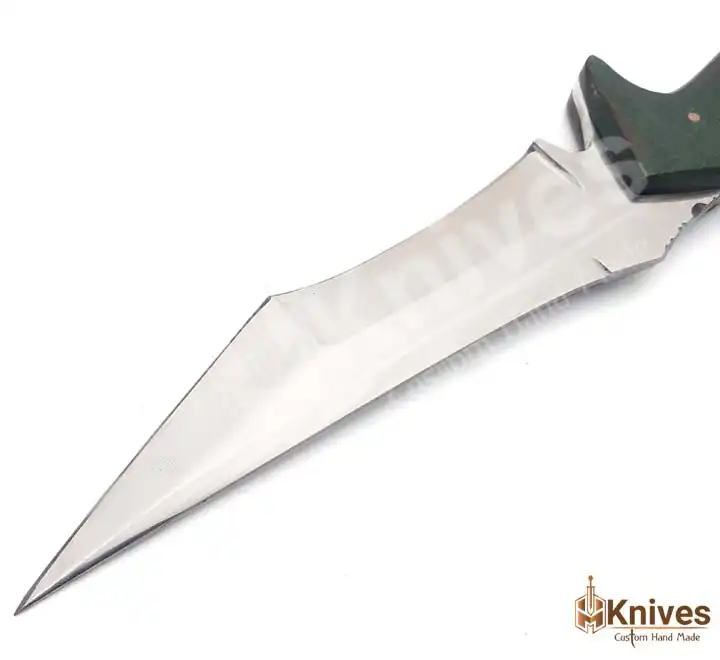
The blade on this knife is engineered for slicing tasks-whether you’re separating fish fillets from bone, processing freshly caught game, or tackling camp prep work. The performance you need from a field knife is built in from the steel selection forward.
Green Micarta: Durability Meets High-Visibility Design
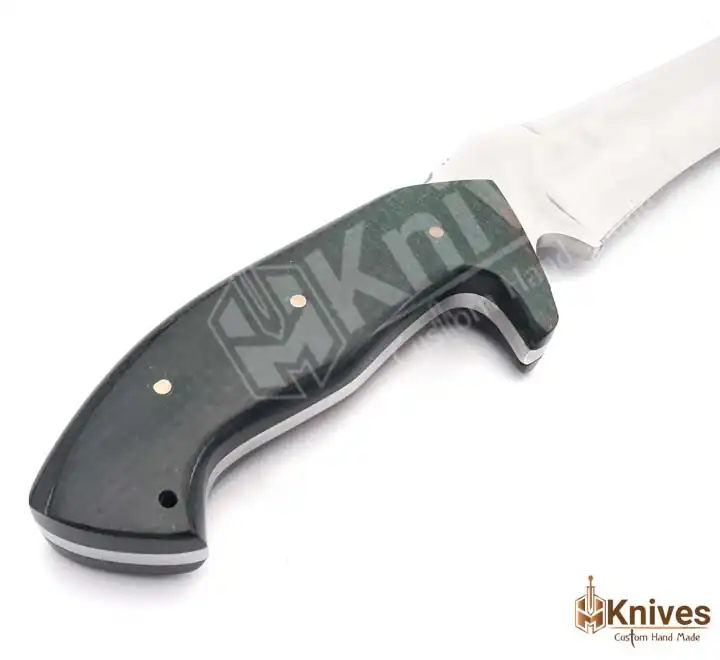
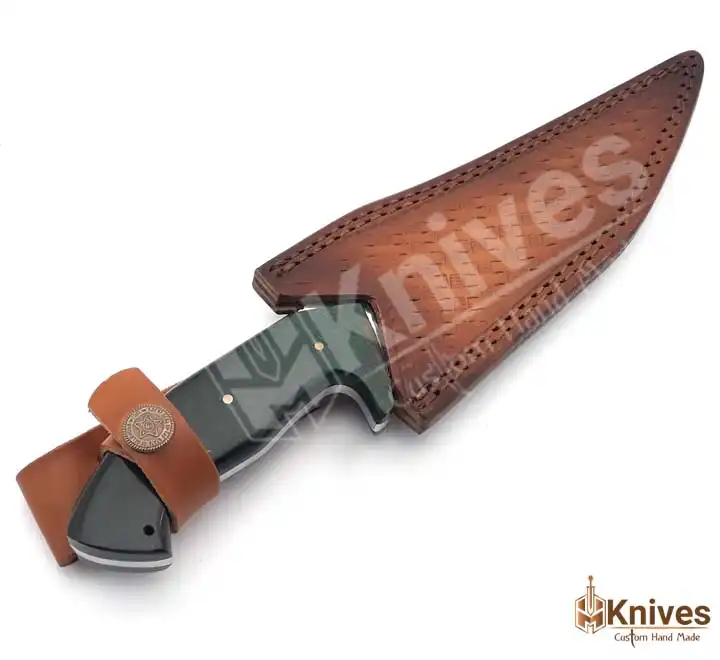
Micarta is the modern alternative to traditional handle materials-it’s a composite that combines durability with design flexibility. Unlike wood or horn that can warp, Micarta stays stable in temperature extremes and resists moisture completely.
The green color isn’t chosen for looks alone (though it’s visually striking). High-visibility handle colors matter in the field. If you set your knife down while processing or preparing dinner, a green handle is far easier to spot in brush or low light than a brown or black blade would be. This is a small detail that prevents lost knives.
Micarta is also remarkably grippy, even when wet. If you’re standing in cold water while fishing or working with wet game, the green Micarta handle maintains traction where other materials might become slippery.
From Fish to Camp: Multi-Purpose Blade Design
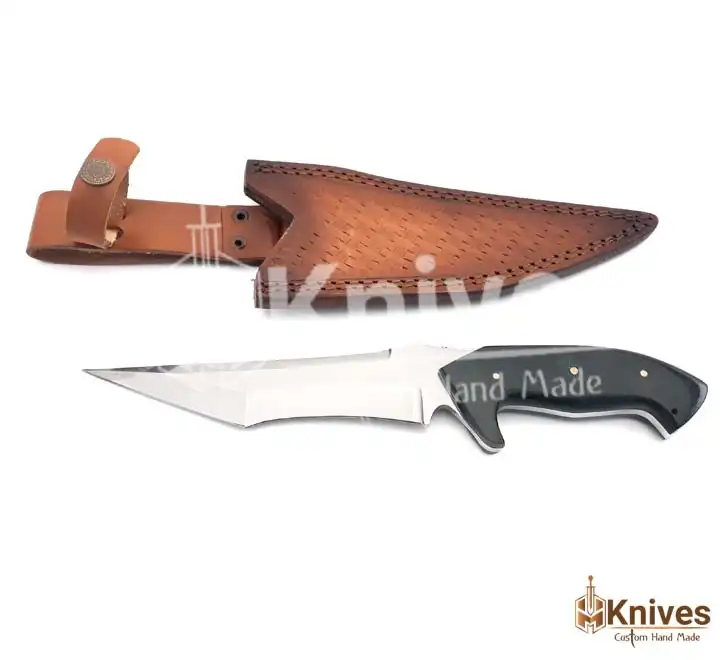
This 11-inch knife bridges two traditional roles: the dedicated filleting knife and the general camp utility blade. The 6.5-inch blade is long enough to handle substantial fillets or processing tasks, compact enough to be precise.
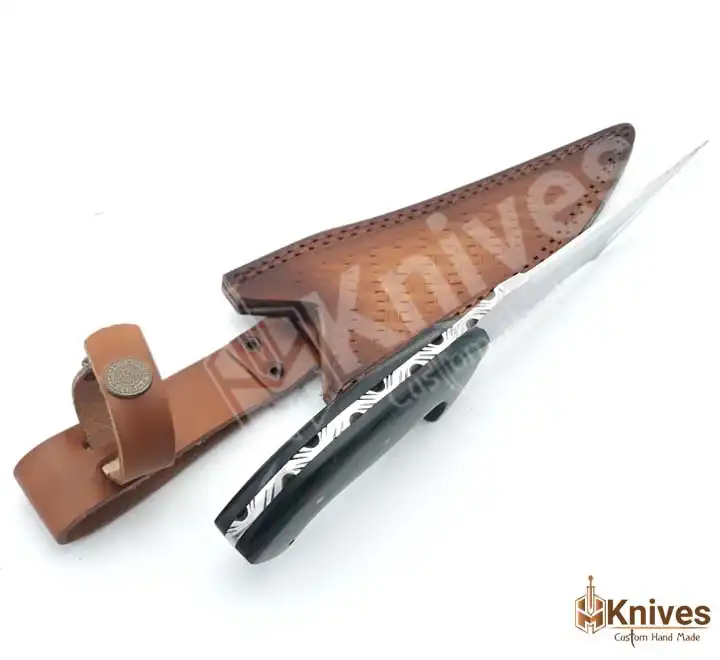
The full tang construction (where the steel extends through the entire handle) gives you strength that hidden tang knives can’t match. If you’re using this blade for heavy camp work-splitting kindling, batoning wood-the full tang ensures durability.
For anglers, the blade flexibility is perfect for filleting. For hunters, the same flexibility helps when separating meat from connective tissue. The blade geometry supports both applications without compromise.
The 6.5-Inch Blade: The Sweet Spot for Field Work
Blade length matters in field work. Too short, and you’re making extra cuts for tasks that a longer blade could handle in one stroke. Too long, and maneuverability suffers, especially when you’re working in confined spaces or with detailed cuts.
At 6.5 inches, this blade hits the practical middle. It’s large enough for substantial fillets or chunks of meat; compact enough for detail work. The overall length of 11 inches keeps the knife portable and balanced for extended use.
Fishing-Specific Features
Filleting is an art, and the right blade makes all the difference. This J2 steel knife is optimized for the precise angle and flexibility that filleting requires. The blade cuts through skin and soft tissue cleanly, minimizing waste.
The hand-engraved Italian leather sheath isn’t just protection-it’s designed for quick access during active fishing. Belt attachment means you’re not digging in a tackle box when you need the knife; it’s right there and ready. Whether you’re processing your catch immediately or heading back to camp, this knife handles both workflows.
Maintenance for Water-Environment Use
J2 steel is forgiving, but routine maintenance keeps it sharp and prevents any surface oxidation. After fishing or hunting, rinse the blade and dry it. The leather sheath can also be rinsed-quality leather ages gracefully when exposed to salt air and water.
Occasionally, a light oiling prevents any rust. A whetstone every few outings keeps the edge sharp. Unlike Damascus blades that require careful climate control, this J2 steel knife thrives with simple, straightforward maintenance.
Frequently Asked Questions
What’s the difference between J2 steel and Damascus for fishing?
J2 steel is simpler and more practical-it resists rust from saltwater or freshwater, handles wet environments without fussing, and requires minimal maintenance. Damascus is beautiful and performs well, but it demands more care. For hard-use fishing, J2 is the logical choice.
Is 6.5 inches long enough for filleting large fish?
Yes. A 6.5-inch blade handles salmon, large trout, and most saltwater fish efficiently. The key isn’t blade length alone-it’s blade flexibility, which this knife has in abundance. Experienced anglers prefer a blade they can control precisely over a longer blade that’s harder to maneuver.
Why is Micarta better than a wooden handle for fishing?
Micarta doesn’t warp when wet, doesn’t absorb moisture, and maintains grip in wet conditions. It’s also more durable under heavy use. For an environment where your knife is constantly exposed to water, Micarta is the superior material choice.
Can I use this knife for hunting camp tasks?
Absolutely. While it’s optimized for filleting, the full tang construction and capable blade make it suitable for general camp work. Prepare food, process game, split kindling, even whittle-this is a genuinely versatile field knife.
Reviews
There are no reviews yet.